Our Work
Our housing portfolio and operational model
The MR Housing Fund manages a large and complex housing portfolio across Hungary, combining social responsibility with financially sustainable operations. Approximately 90% of our portfolio consists of social housing with highly subsidized rents, while around 10% operates under an affordable housing model.
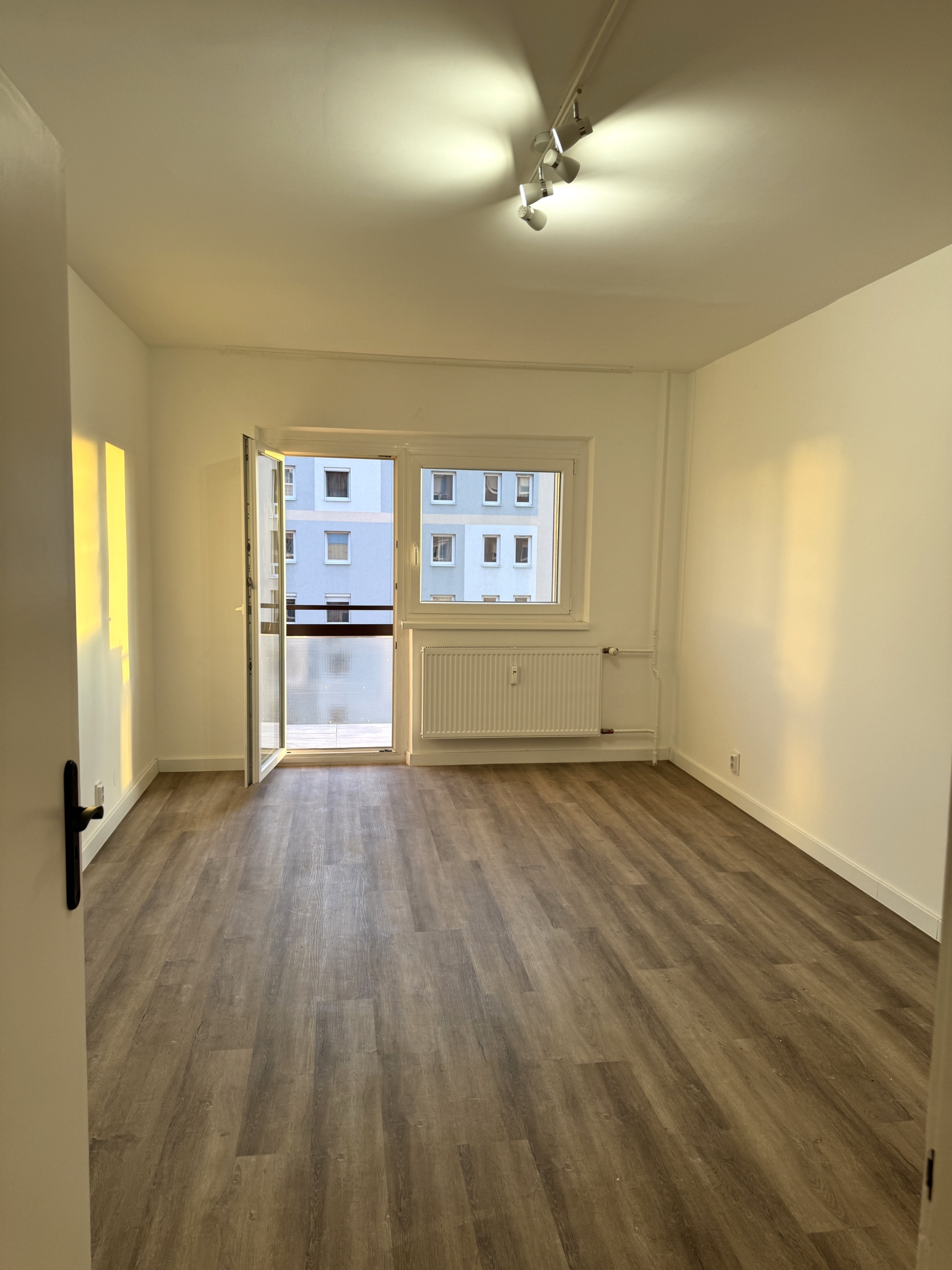
The structure of the portfolio also differs significantly: social housing units are primarily family houses located in dispersed rural areas, while affordable housing mainly consists of apartments in urban locations and regional centers. This dual model enables us to maintain our social mission while gradually building a financially sustainable housing system. The gradual rebalancing of the portfolio reflects a strategic shift towards a more financially sustainable housing model.
Four pillars, one housing mission.
Social Housing
Our social housing portfolio provides homes for nearly 14,000 people, primarily among the most vulnerable groups in society. Average rents are extremely low, around €40 per month, reflecting the strong social purpose of this portfolio.
These properties originate mainly from the National Asset Management Program, launched in 2011 to support families affected by the financial crisis. Beyond property management, our role includes extensive social support activities, such as mentoring and assistance for tenants in difficult life situations.
Due to the ageing legal and physical framework of this portfolio, as well as natural turnover, the number of units is gradually declining. Maintaining and improving these properties requires continued public support.
Affordable Housing
By the end of 2025, our affordable housing portfolio exceeded 360 units.
These properties are primarily allocated through the LÉPJ! State Care Housing Program and open public tenders.
In 2025, this segment generated approximately €650,000 in rental income, with significantly higher average rents (€200/month) compared to the social housing portfolio.
The expansion of affordable housing plays a key role in strengthening the financial sustainability of the organization.
Housing Agency Operations
As part of our housing agency operations, we manage properties owned by third parties.
This portfolio is expected to expand significantly in 2026.
Within this model, our responsibilities go beyond property management and include tenant mentoring, financial counselling and ongoing social support.
Vacant Properties
The Fund manages a significant vacant housing portfolio of approximately 1,900 units transferred from state ownership.
These properties are either sold through our proprietary online auction system or renovated and reintroduced into the rental market, based on economic feasibility.
In 2025, we successfully sold 420 properties, generating approximately €2.5 million in revenue that we reinvested in the development of new housing units. A similar scale of sales is planned for 2026.
Programs making a difference.
LÉPJ! State Care Housing Program
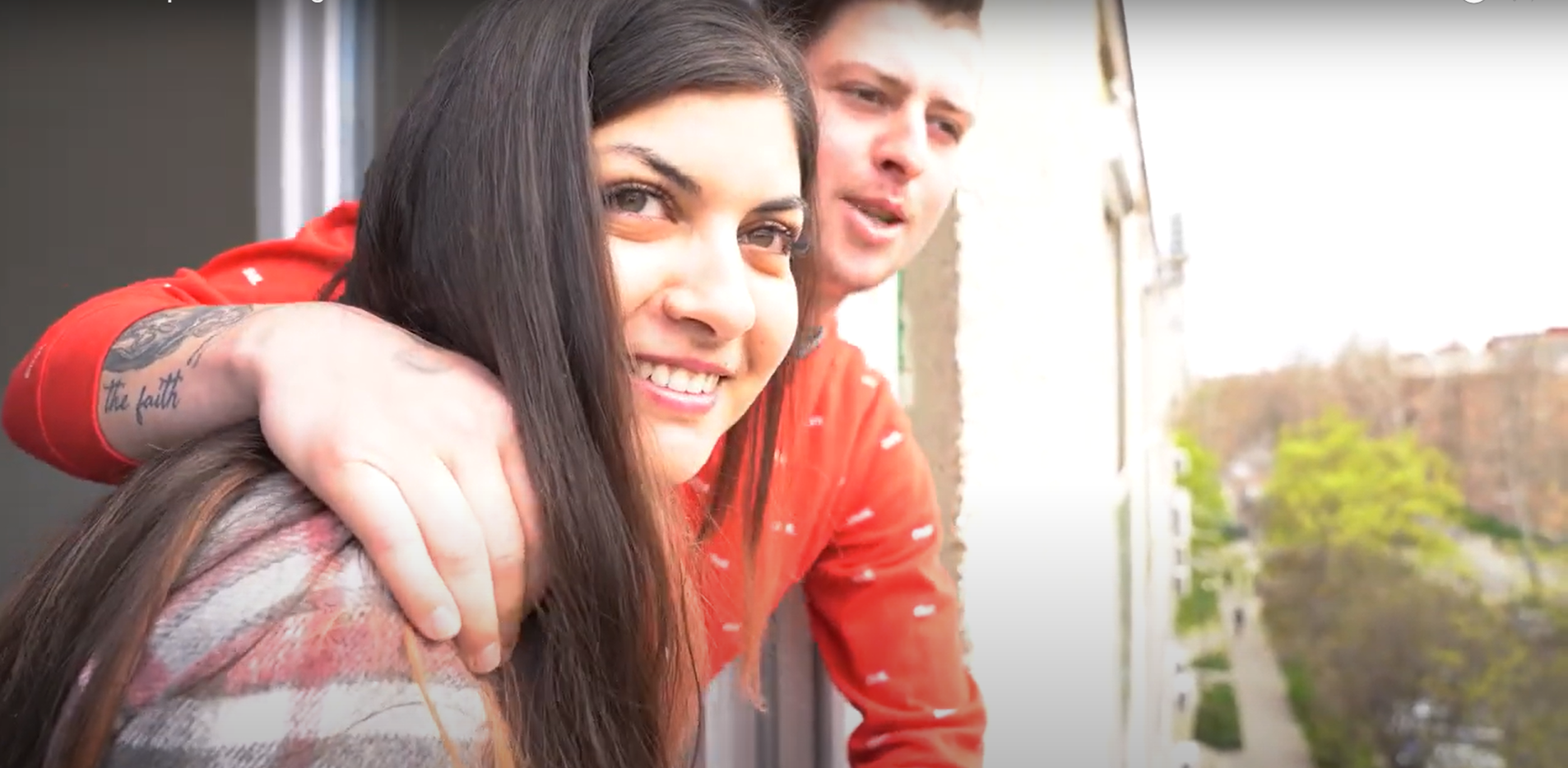
The STEP! State Care Housing Program is designed to provide housing solutions for young adults transitioning out of the child protection system. The initiative offers a reliable, transparent, and long-term framework to support these individuals.
Beyond financial advantages, the program ensures stable, transparent contractual conditions and provides target group-specific client service and support mechanisms for both the young people and their families.
Under this model program, 100 properties were available to applicants by the end of 2025. A key focus is placed on ensuring the apartments are affordable and located within close proximity to employment opportunities.
Watch the story of one of our successful applicantsFor more detailed content, please view the publication.

TÉR Program
The program is implemented in cooperation with the Disability Affairs State Secretariat of the Ministry of Interior. Ten homes have been announced nationwide through an open call, available for ten years under preferential terms. When selecting properties, location and accessibility to essential services were key considerations. The homes are located in Budapest, regional centers, and district capitals. The homes of successful applicants are adapted to their individual needs, including accessibility improvements and special technical modifications where required.
Read the story of one of our successful applicants