Report on the 3rd Housing Forum
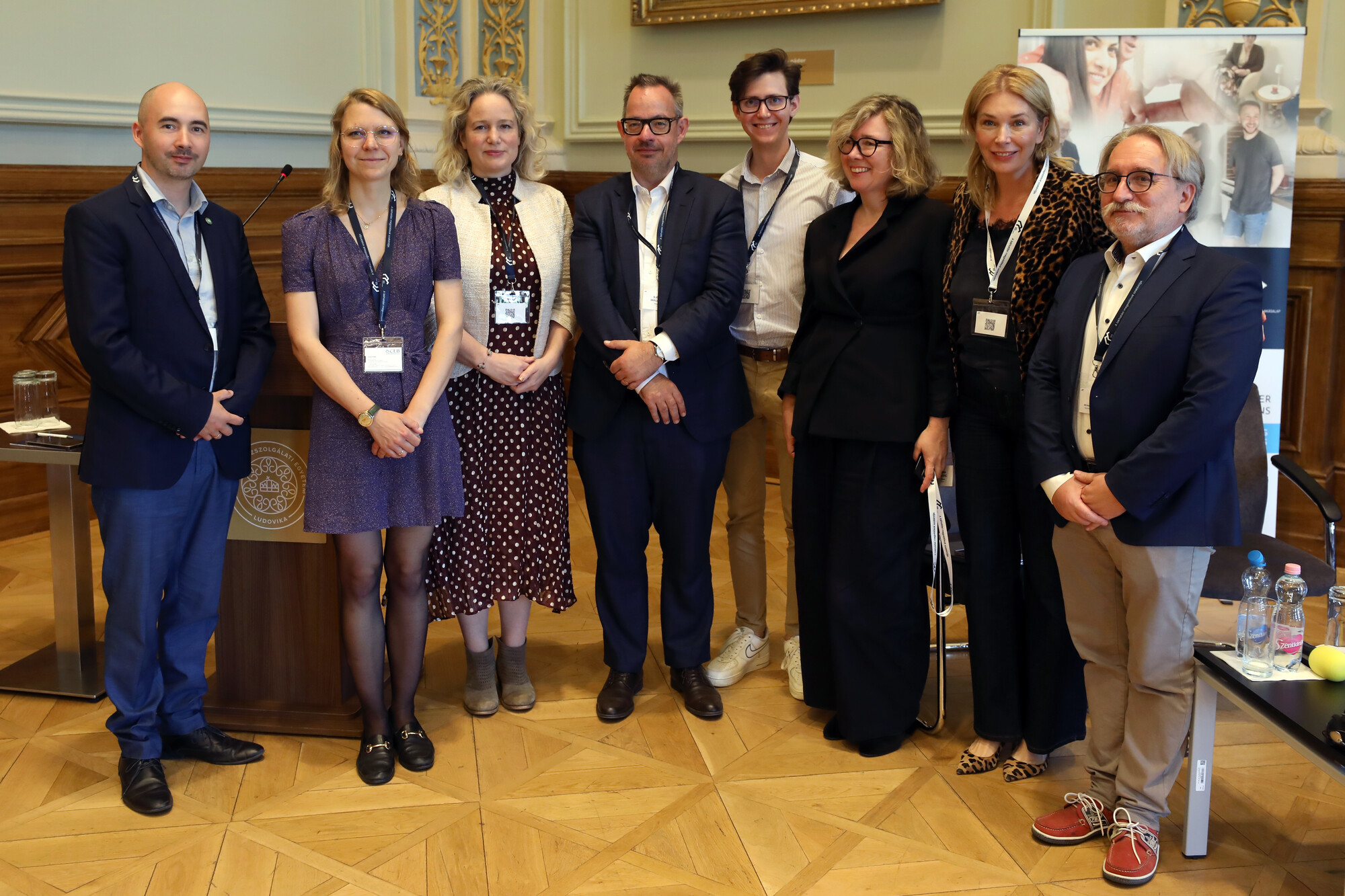
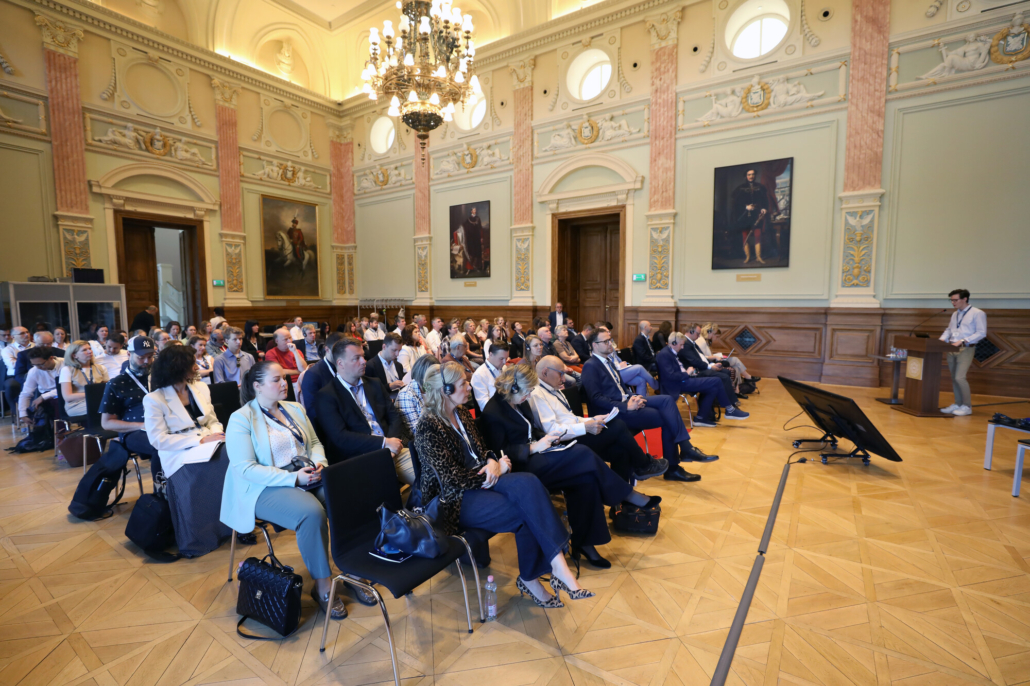
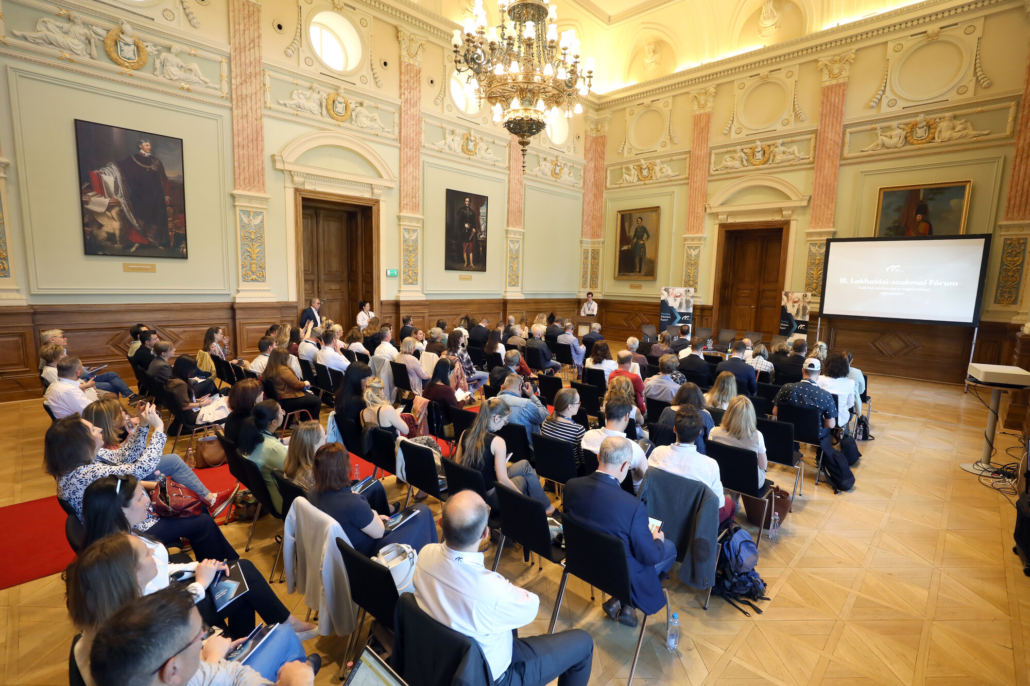
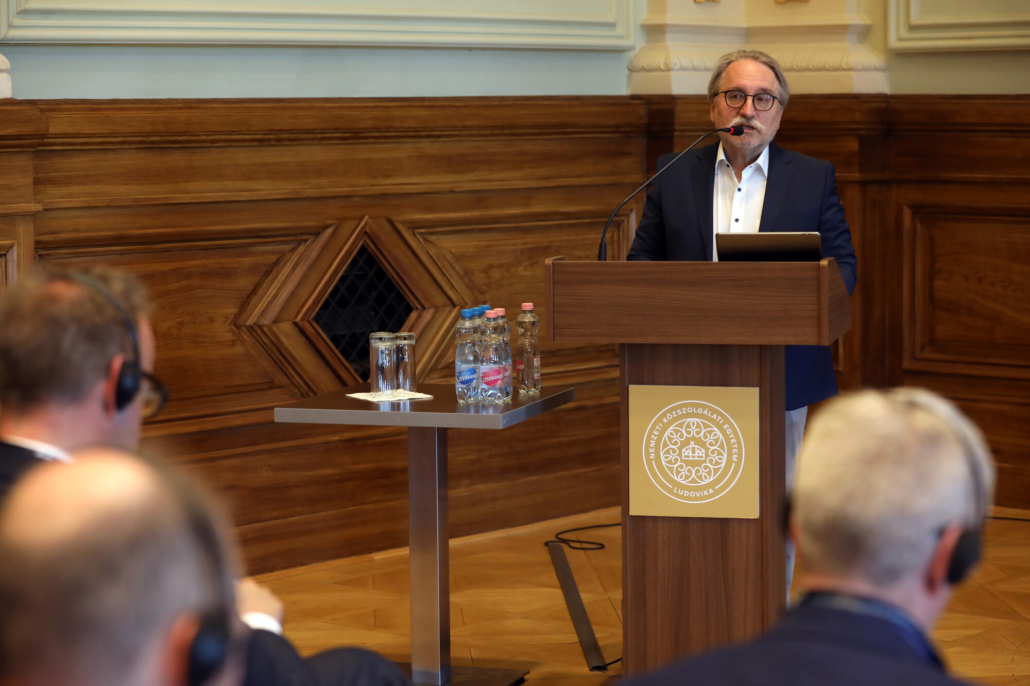
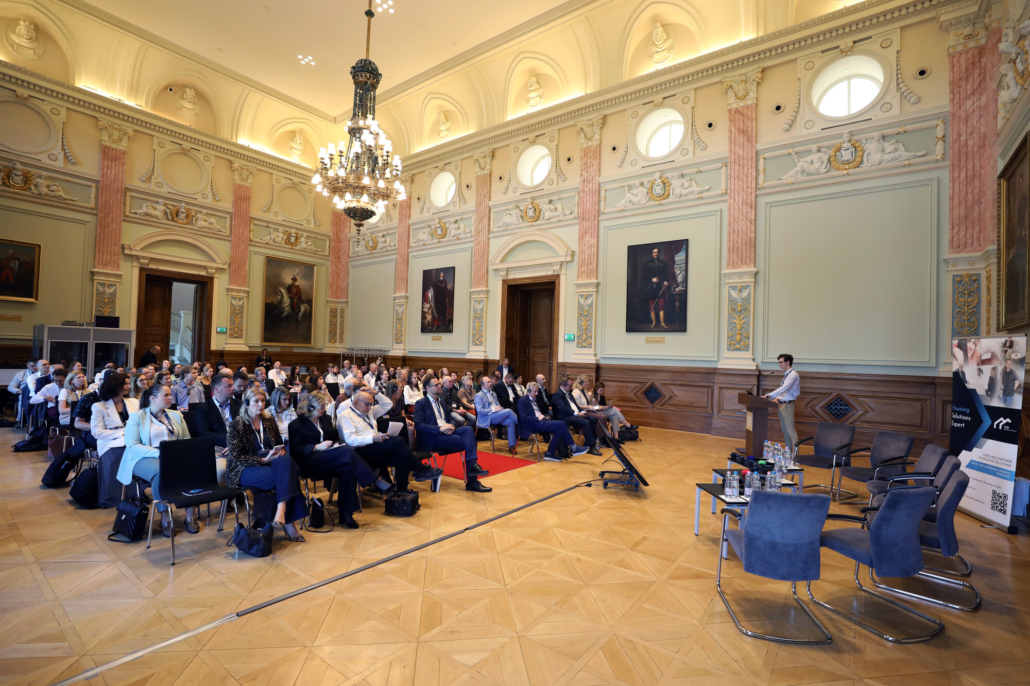
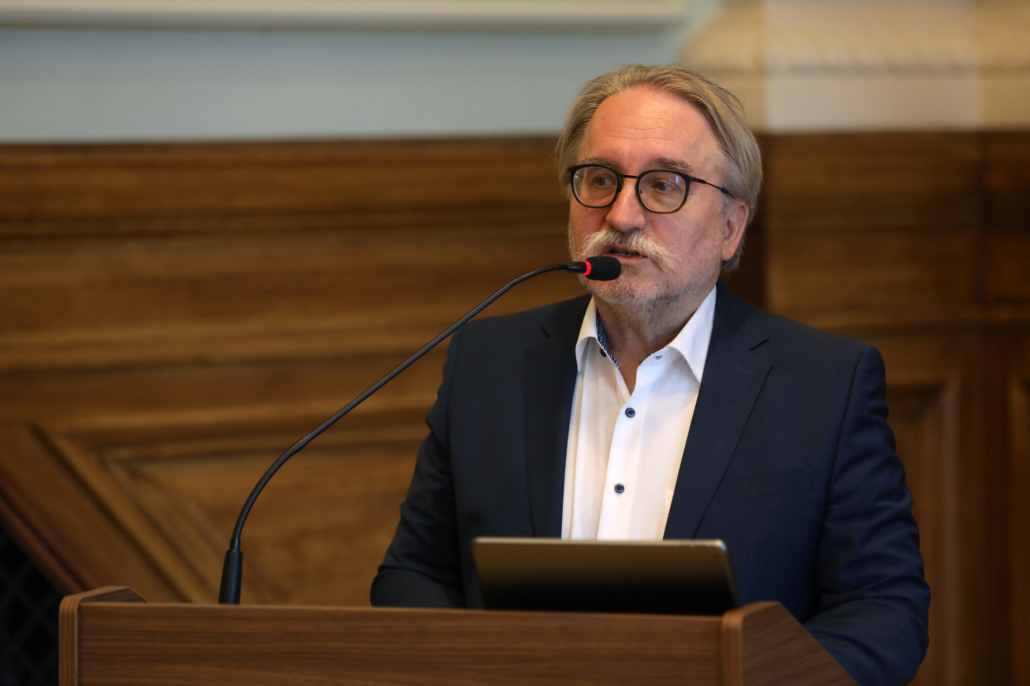
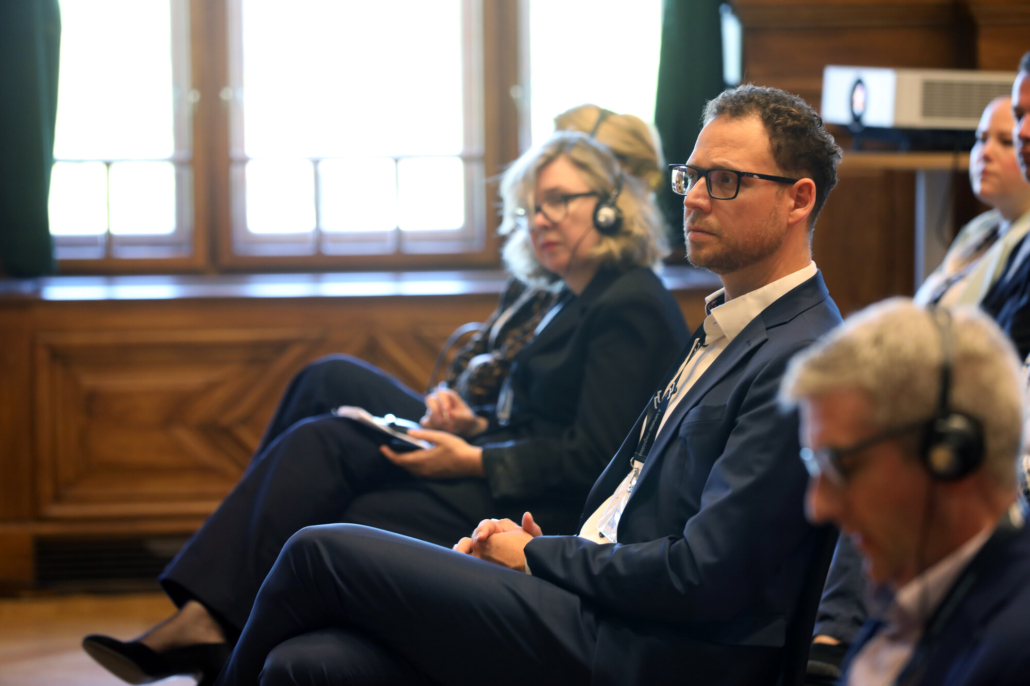
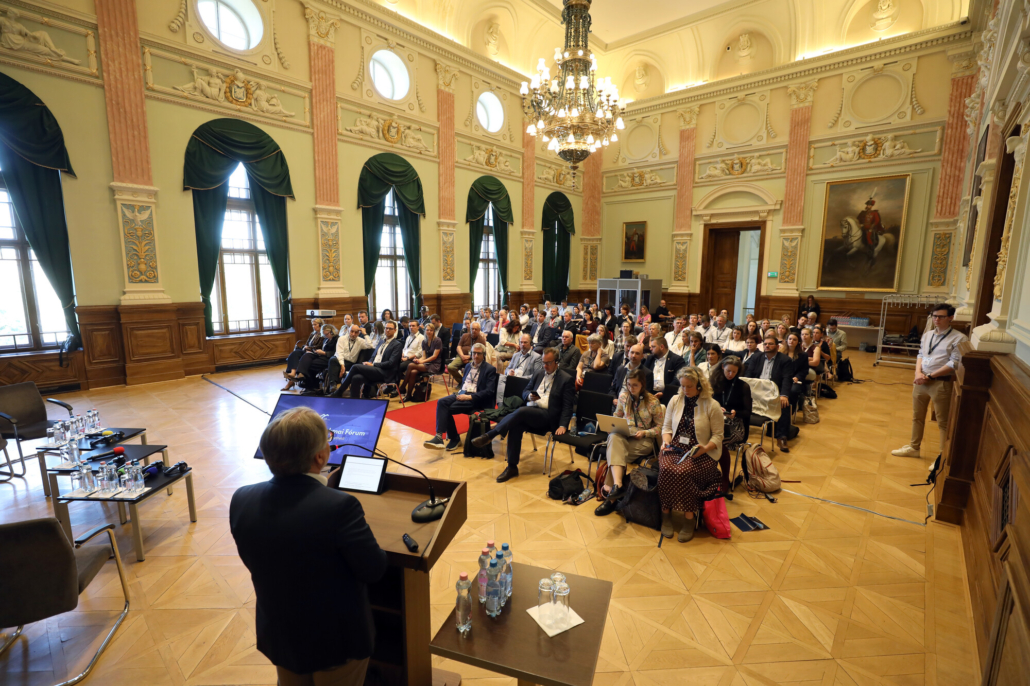
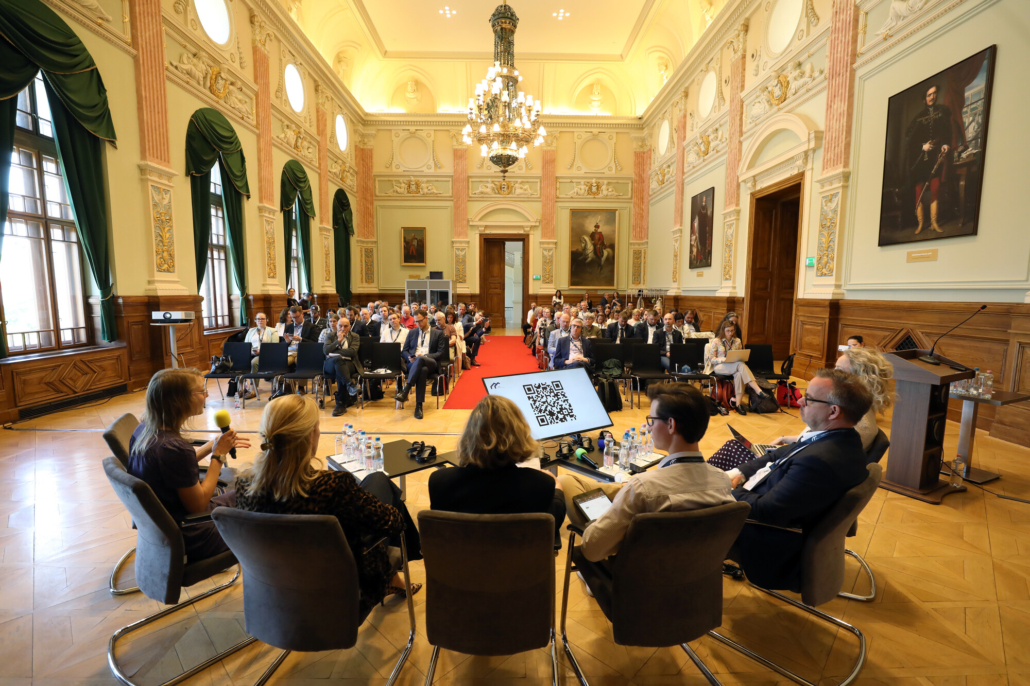
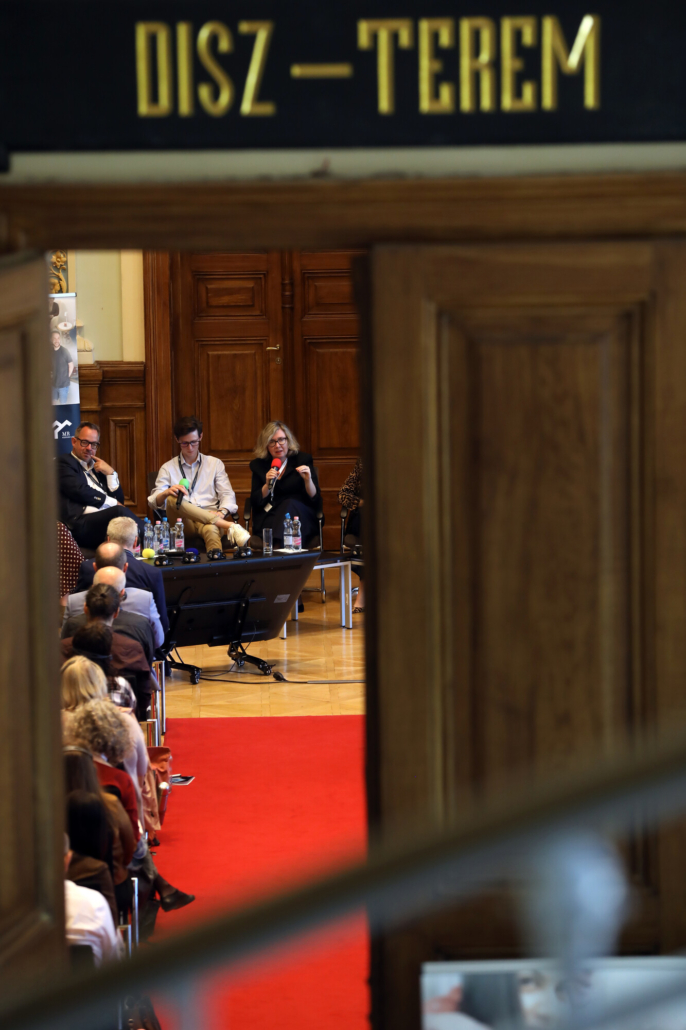
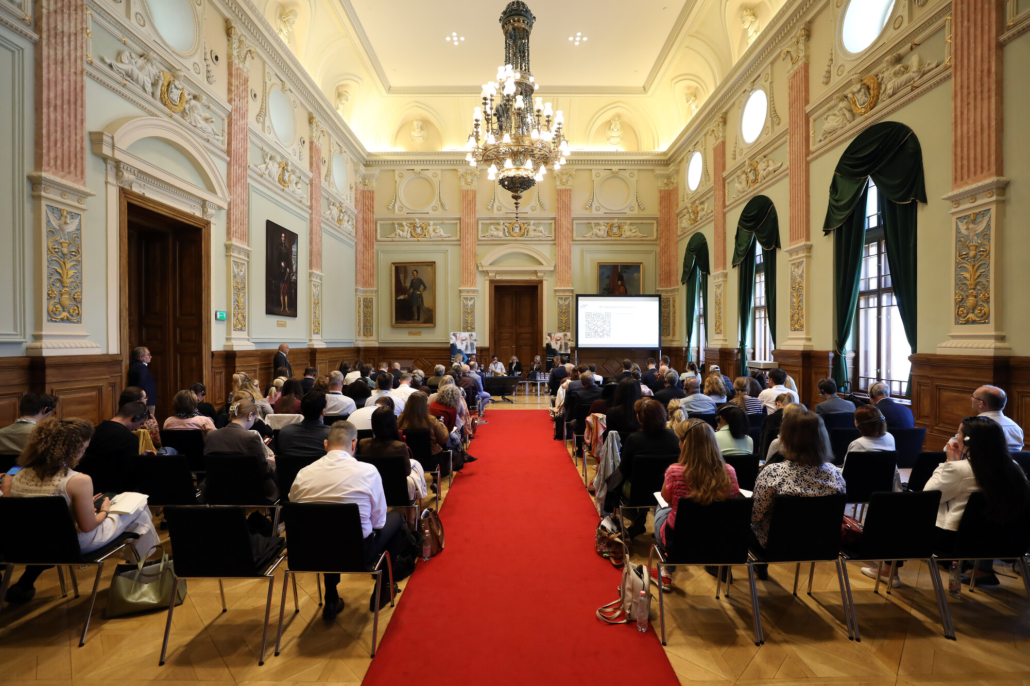
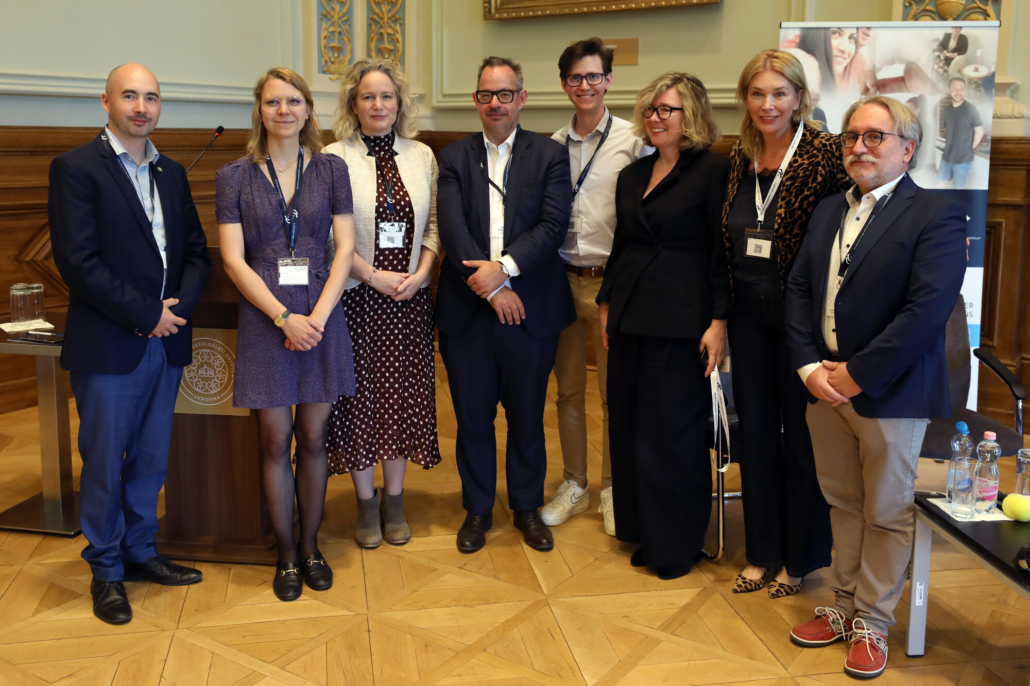
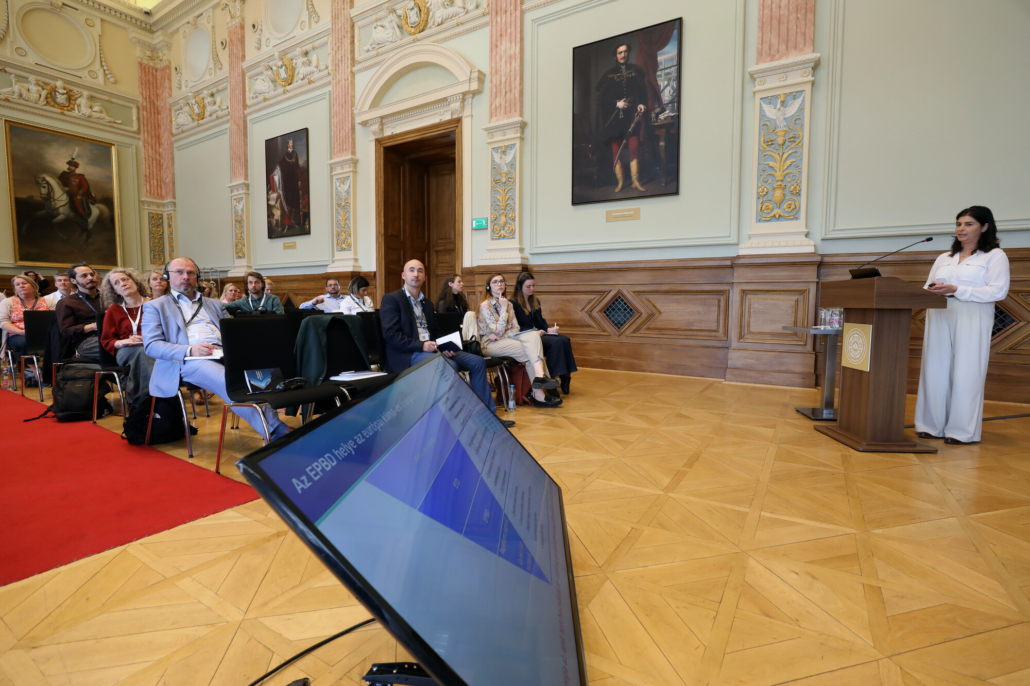
The housing crisis is intensifying across Europe, and Hungary is no exception. The complexity of the issue dictates that isolated measures are no longer enough; only comprehensive, collaborative, and long-term sustainable strategies can yield results. This was the overarching conclusion of the 3rd Housing Forum, co-organized by the MR Community Housing Fund and Metropolitan Research Institute (Városkutatás Kft.) on May 22, 2026, in Budapest.
The Futures of 400,000 Children are at Stake in Europe
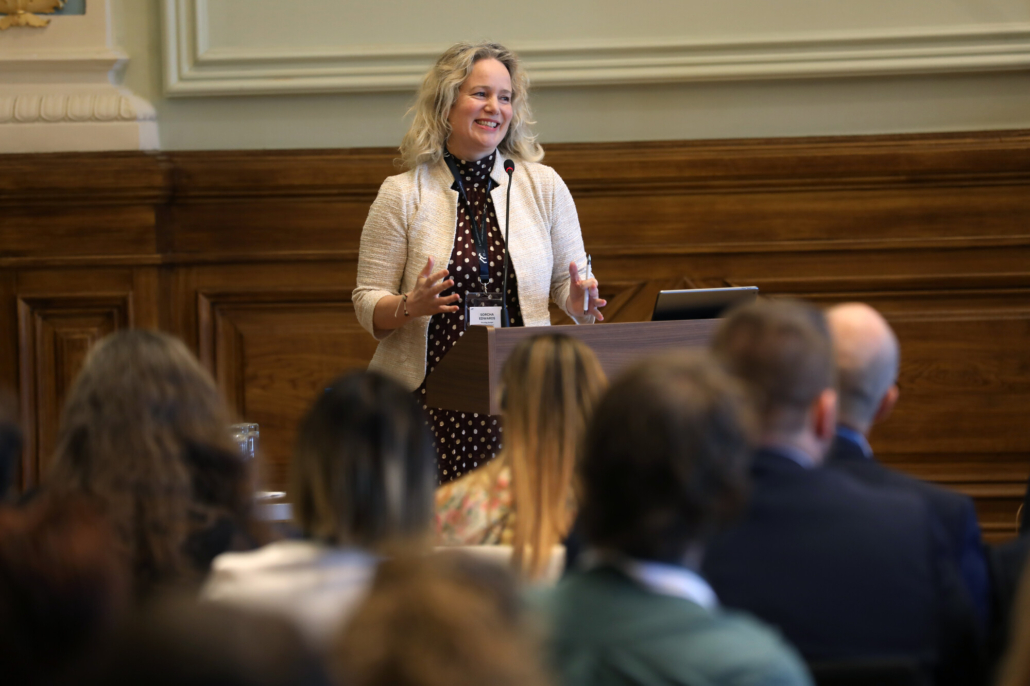
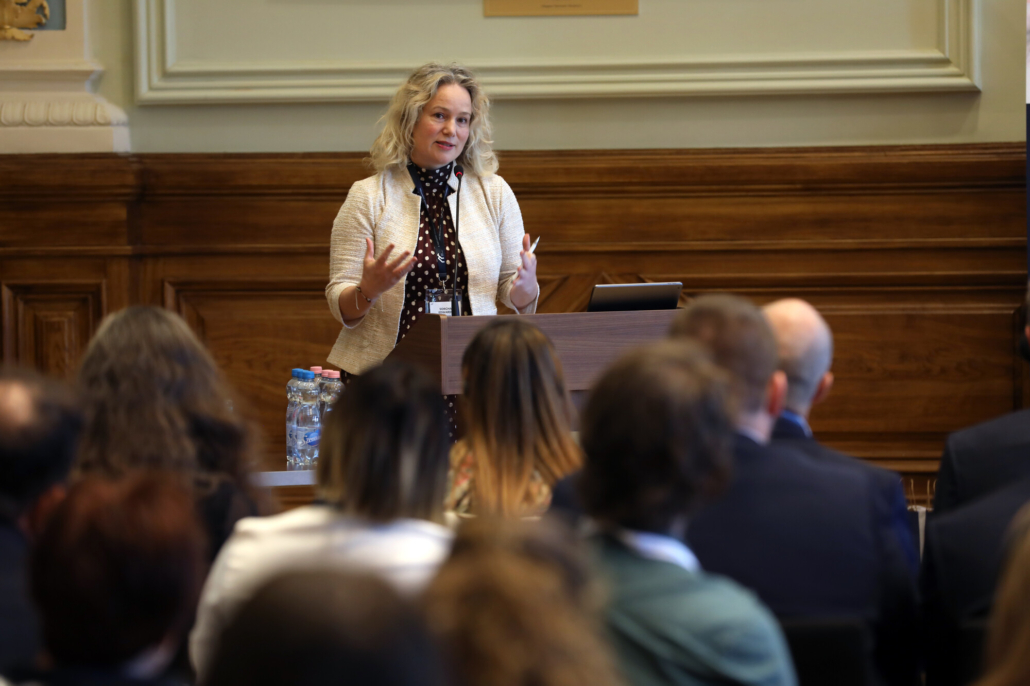
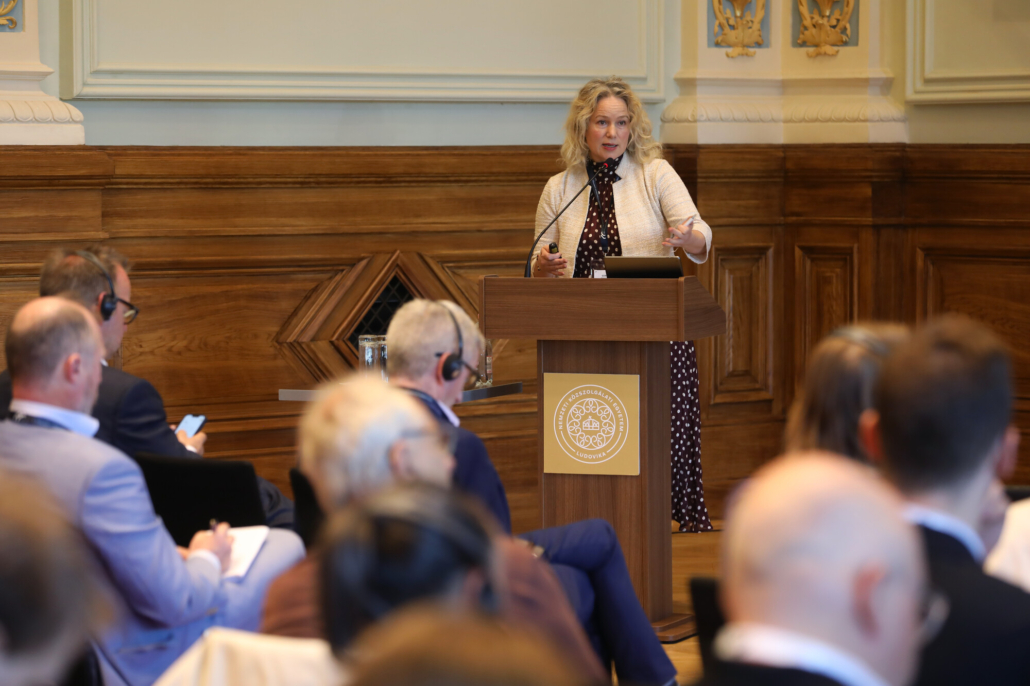
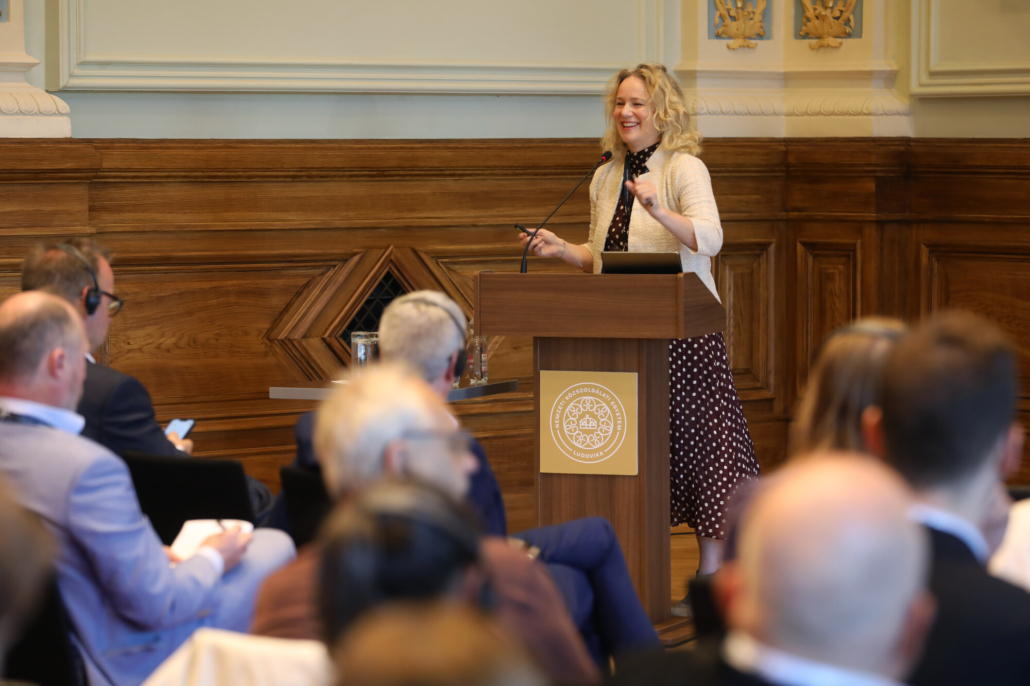
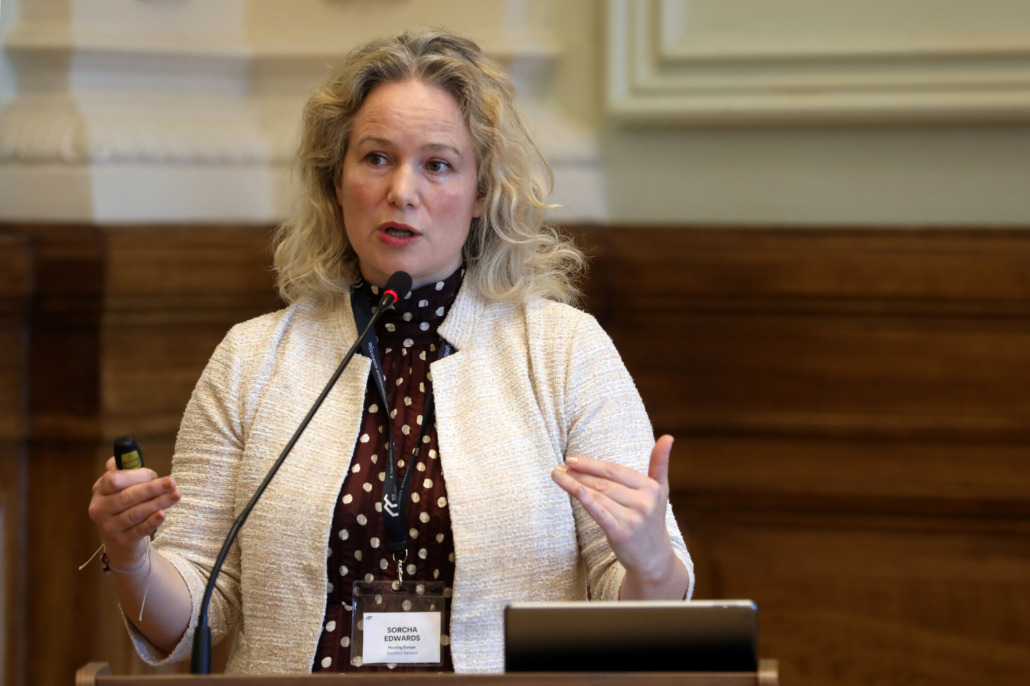
At the event, Sorcha Edwards, Secretary General of Housing Europe—the European federation of public, cooperative, and social housing—pointed out that housing prices and rents have skyrocketed across Europe over the last decade. Because household incomes have failed to keep pace, more and more people are spending an excessive share of their income on housing—in many cases, exceeding 40% (the benchmark used by the European Union to measure housing overburden).
This is not merely an economic issue; it carries severe social and political consequences. Housing exclusion and homelessness are rising in many European countries. Most alarmingly, nearly 400,000 children in Europe live on the streets or in severely insecure housing conditions, jeopardizing their development and future life chances. Consequently, affordable housing has become a pivotal election issue in countries like Sweden and Belgium, shifting political dynamics. The crisis no longer affects only marginalized groups, but impacts the daily lives of the wider population.
To address the situation, Edwards argued that relying on market self-regulation is insufficient. Instead, housing systems need a strong foundation built on the community, municipal, and limited-profit housing sectors. The goal is to develop a model that prevents market failures from occurring, rather than trying to mitigate their consequences after the fact. Housing cooperatives, municipal initiatives, and non-profit housing providers (such as the MR Community Housing Fund in Hungary) play a crucial role here.
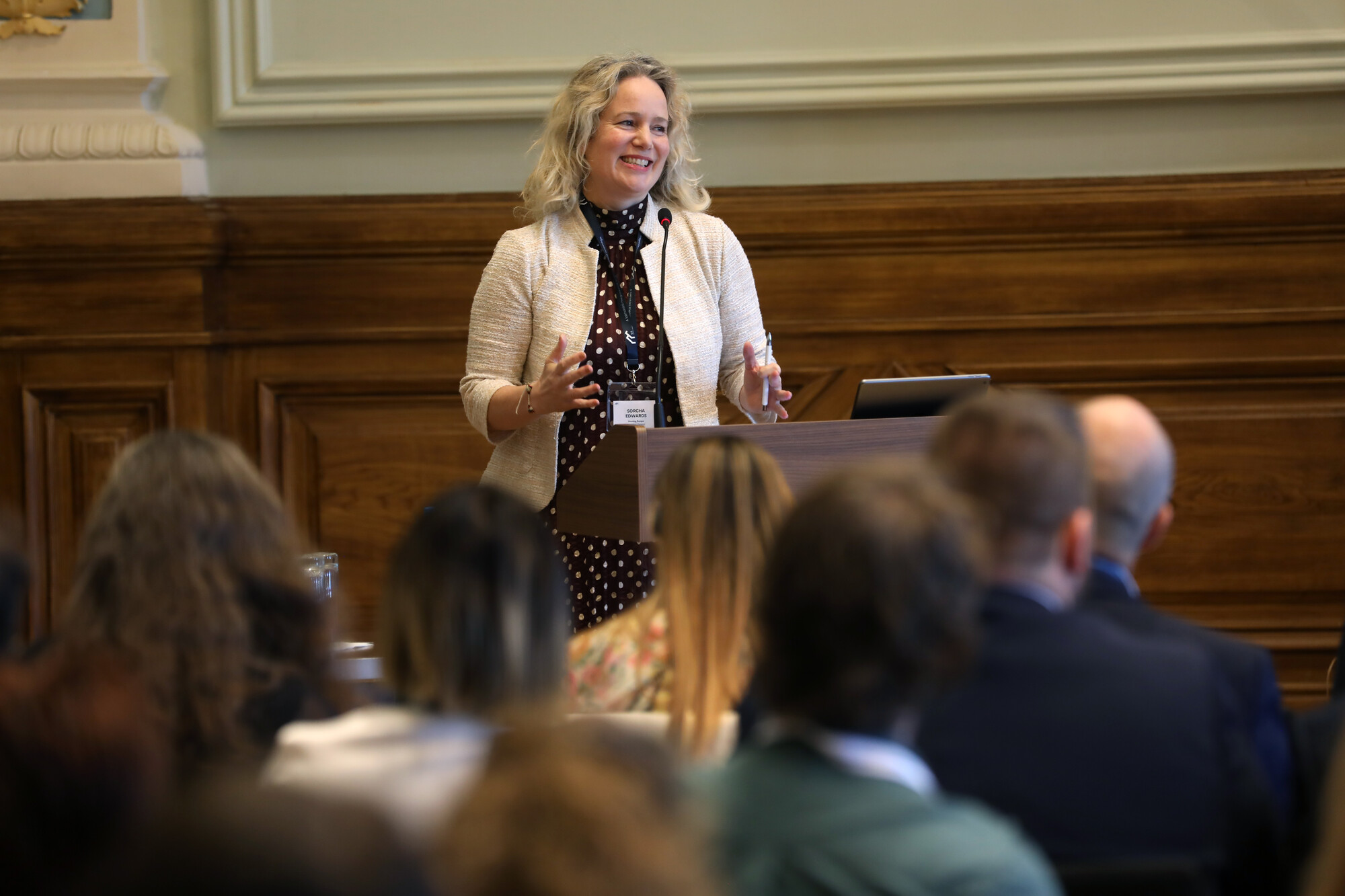
According to Edwards, investing in housing yields both social and economic returns:
Research demonstrates that for every €3 invested in improving housing conditions, €2 is recovered in savings, primarily through reduced healthcare and social spending. Public funds spent on housing should therefore not be viewed as an expense, but as a long-term investment with a clear return.
A Historic Record: 23% House Price Growth in Hungary
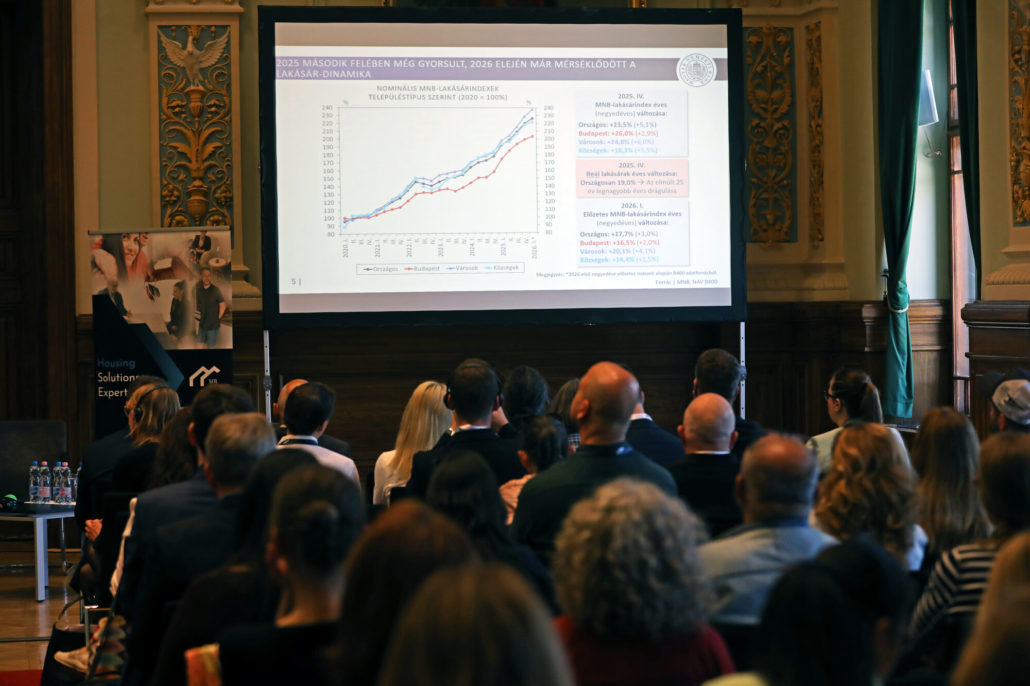
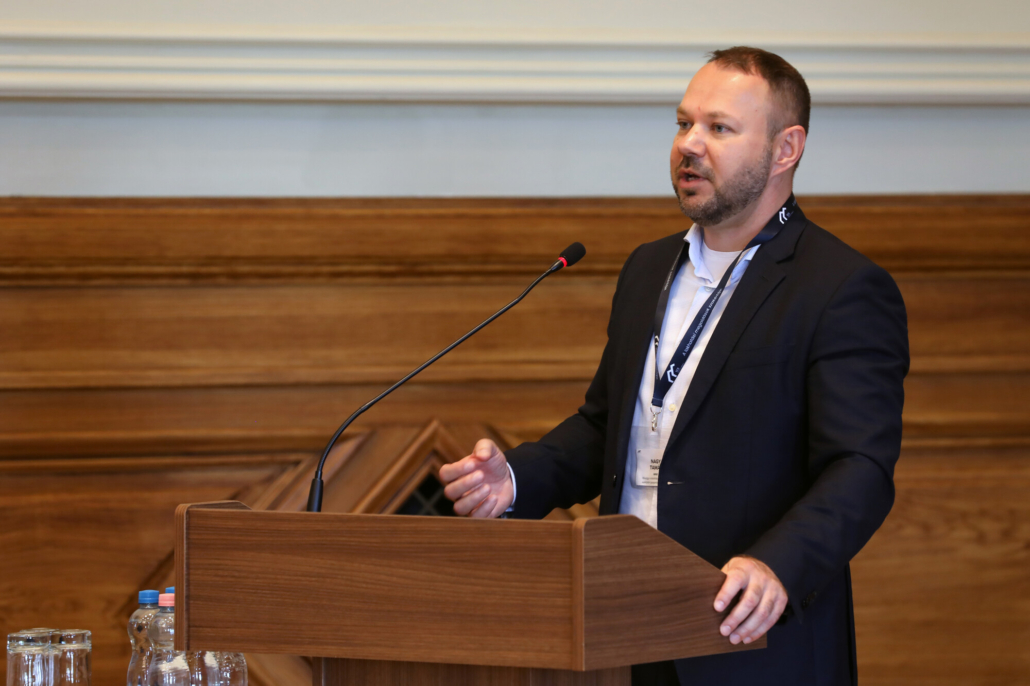
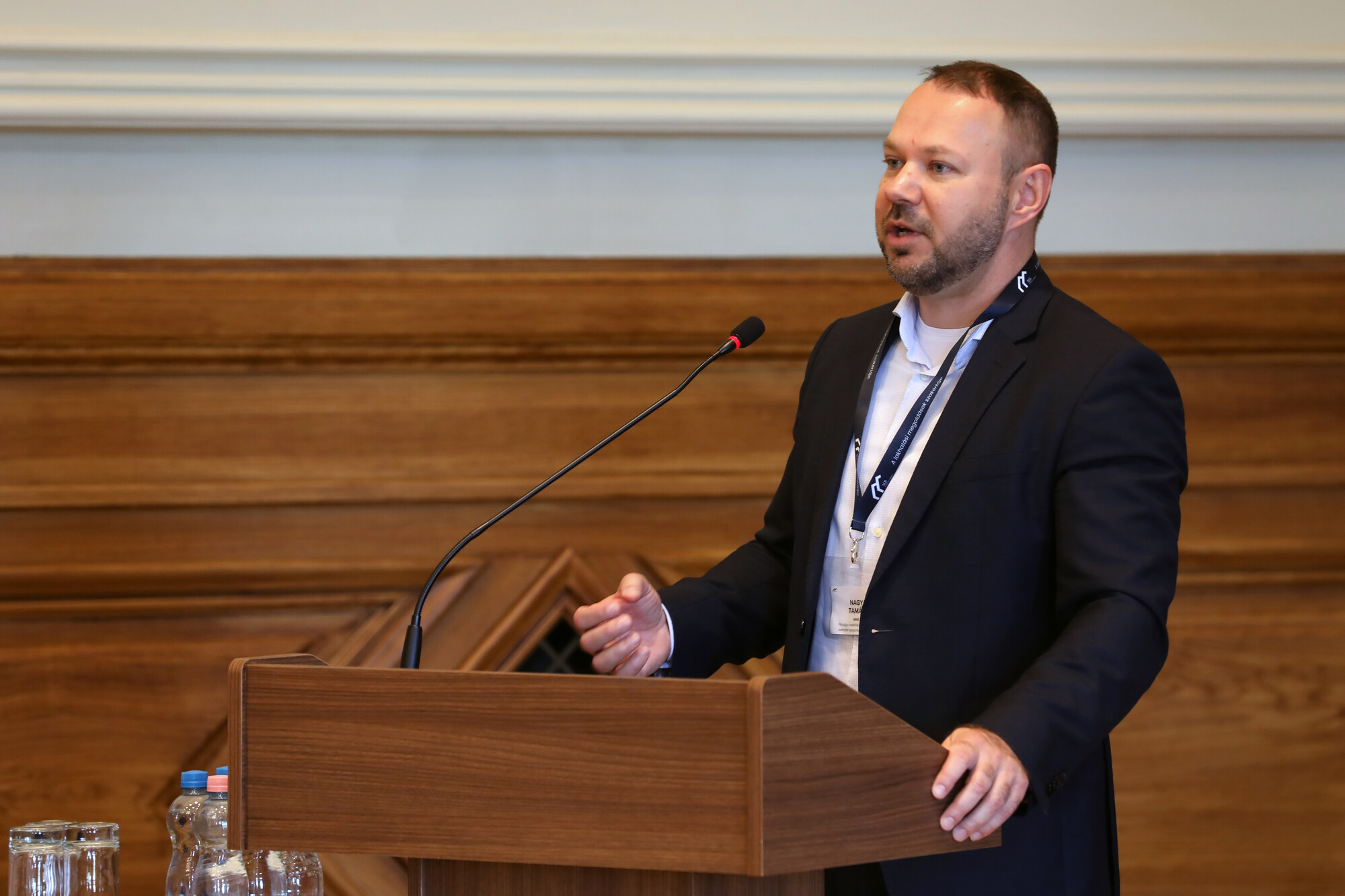
In the second session of the Forum, Tamás Nagy, Director of the Financial Stability and Monetary Policy Instruments Directorate at the Central Bank of Hungary (MNB), provided a snapshot of the domestic housing market based on the MNB’s latest Housing Market Report, published just two days prior.
Aligning with European trends, Nagy highlighted rapid price growth as one of the most critical and concerning phenomena in the Hungarian market. In 2025, nominal house prices surged by over 23% nationwide, while Budapest saw an even steeper increase of approximately 26%. Adjusted for inflation—in real terms—house prices rose by about 19%, marking the sharpest real house price appreciation Hungary has seen in the last 25 years. Nagy classified this growth as historic, illustrating just how overheated the market has become.
This drastic price hike was primarily driven by a surge in demand. Due to previous government bond payouts and declining bond yields, many investors turned back to real estate as an attractive asset class. Additionally, the launch of the Home Start Program (Otthon Start Program) generated significant excess demand. The second major factor was a weak supply side, as new residential construction failed to keep pace. Housing completions remained at historically low levels, meaning heightened demand collided with tight supply, driving prices even higher.
Nagy specifically emphasized how far price growth has decoupled from economic fundamentals. The MNB uses various indicators to evaluate whether housing prices are justified by the broader economic environment, including incomes, rents, and borrowing capacity. The analysis revealed that in 2025, house prices outpaced all three factors, resulting in an overvaluation of more than 20% nationwide. This means average property prices are one-fifth higher than what economic fundamentals would justify, posing a risk not only to social cohesion but also to financial stability.
„The Cheapest Energy is the Energy We Don’t Use”
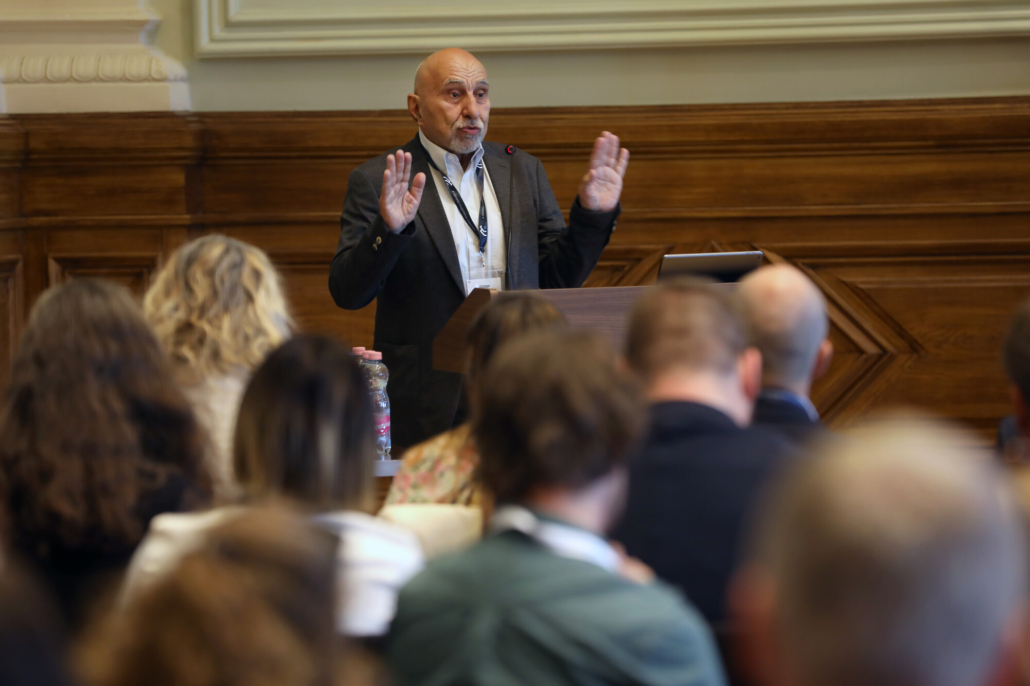
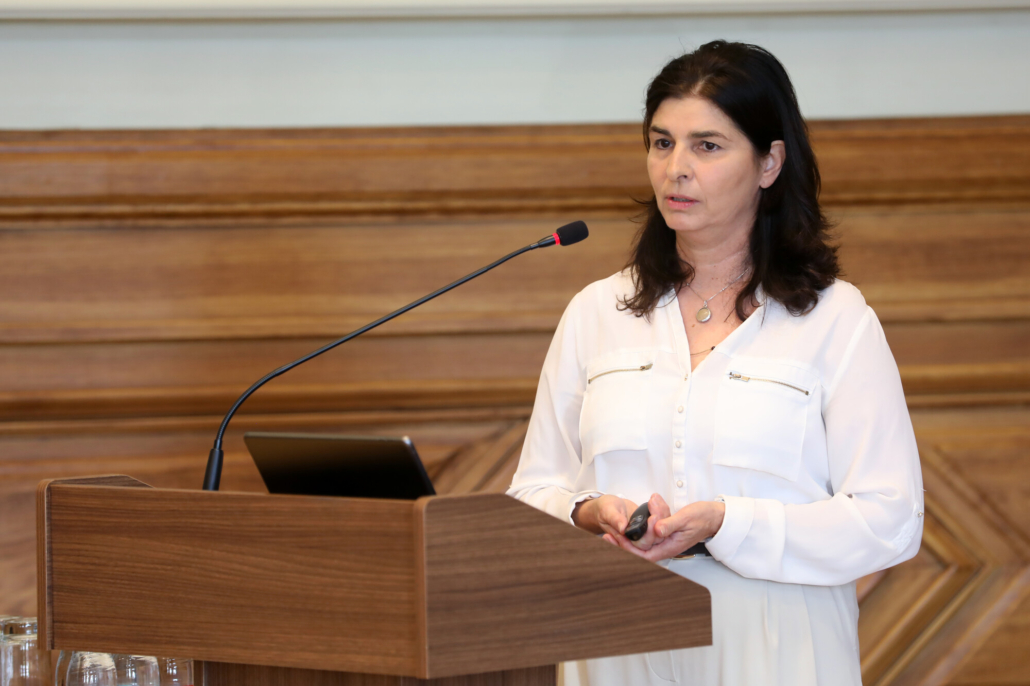
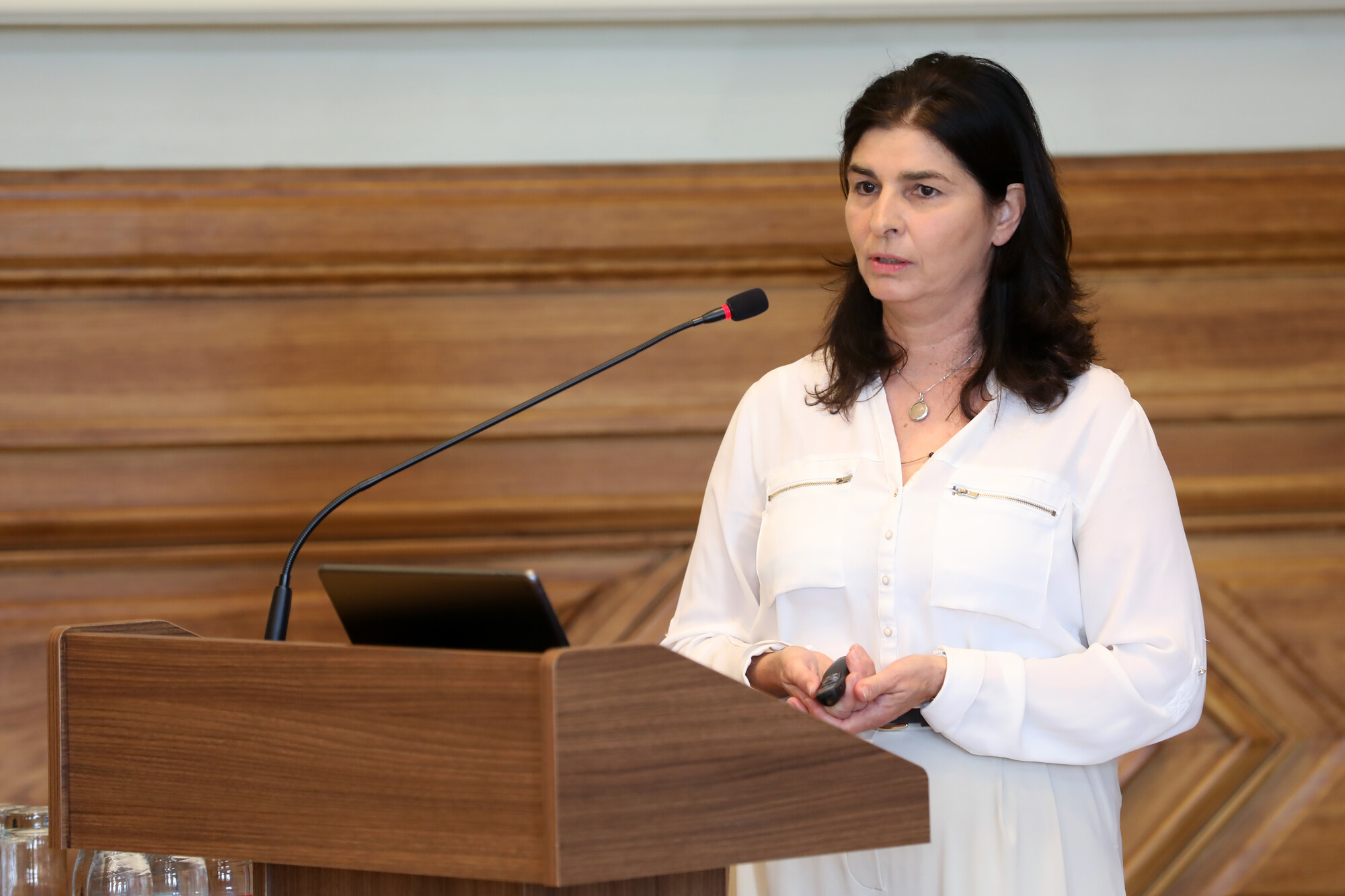
Barbara Réthelyi, Head of Department at the Ministry of Energy, presented a detailed overview of Hungary’s upcoming National Building Renovation Strategy. Linked to the European Union’s climate and energy efficiency targets, the strategy aims to drive significant environmental, economic, and social transformation.
Since buildings account for roughly 40% of total energy consumption and 36% of greenhouse gas emissions, building renovations represent one of the most powerful tools for decarbonization and energy efficiency. Under EU regulations, member states must map out detailed plans to reduce the energy consumption of their building stock:
-
Achieve at least a 16% energy saving by 2030.
-
Reach a 20–22% saving by 2035.
-
Phase out fossil-fuel heating systems progressively after 2040.
-
Attain a nearly zero-emission building stock by 2050.
The Hungarian strategy focuses primarily on older, energy-inefficient detached family homes, particularly those built before 1990. Réthelyi stressed that energy efficiency targets can only be met through comprehensive, deep renovations: combining thermal insulation, window replacements, roof and ceiling insulation, and complete upgrades of heating and ventilation systems. The plan functions simultaneously as a climate initiative and a social program, lowering energy consumption while improving living conditions and reducing utility bills.
However, meeting these EU targets—which Réthelyi admitted are highly ambitious—would require the deep renovation of approximately 50,000 homes per year. This is a massive scale-up from current initiatives; for context, the Home Renovation Program (Otthonfelújítási Program) launched in 2024 reached 18,000 buildings. Therefore, current renovation capacities cannot just be increased—they must be multiplied. This will require not only financial resources, but also the comprehensive preparation of the construction sector, the banking system, and society at large.
Bridging Policy and the Reality on the Ground
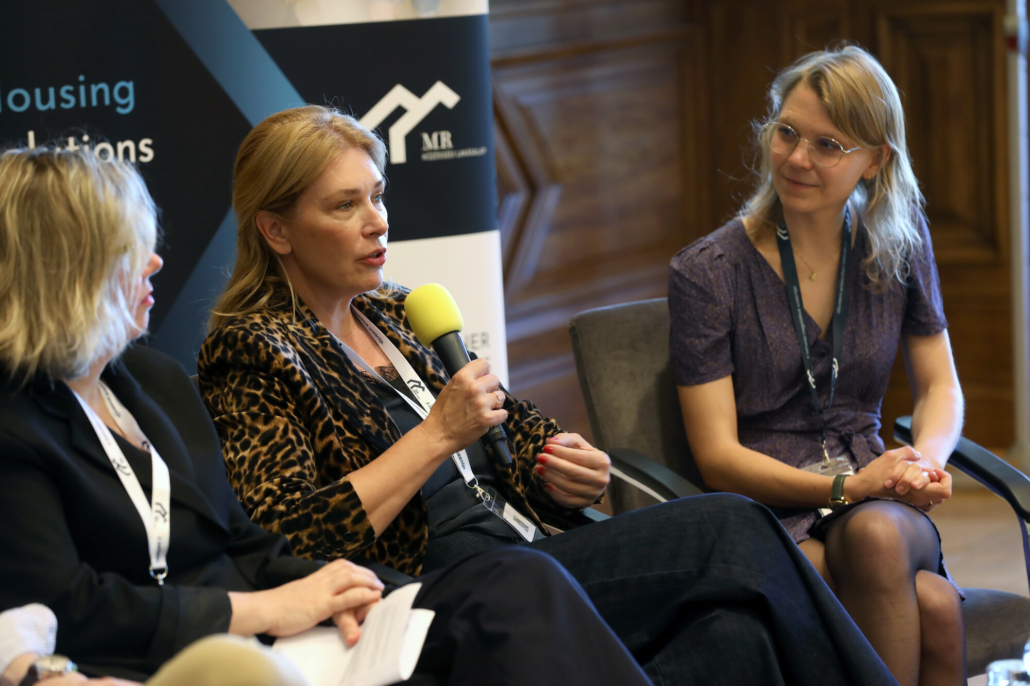
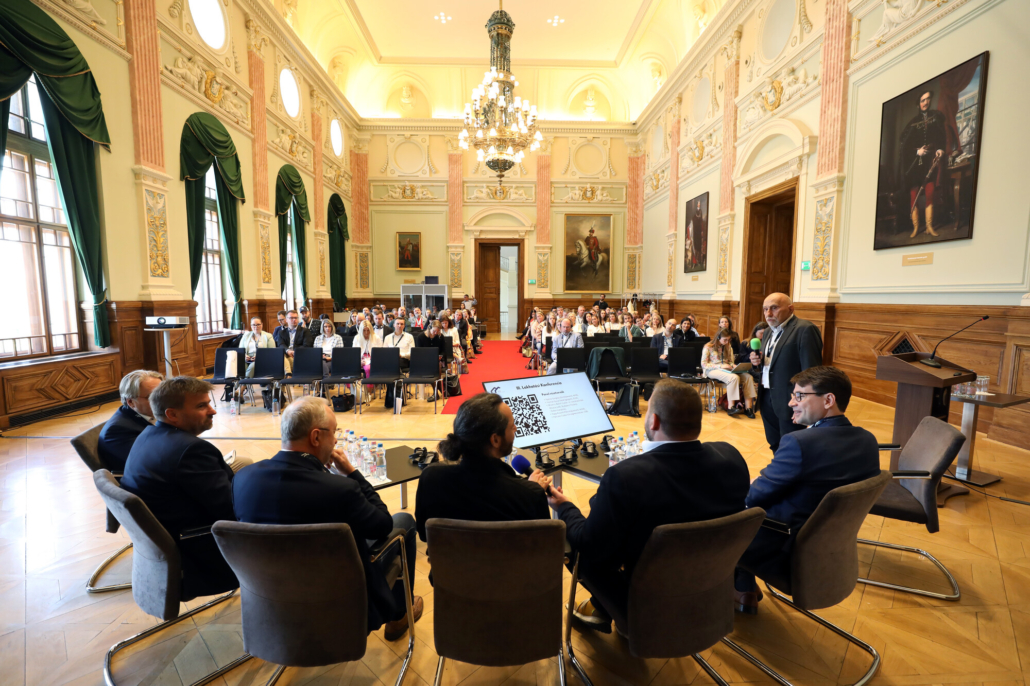
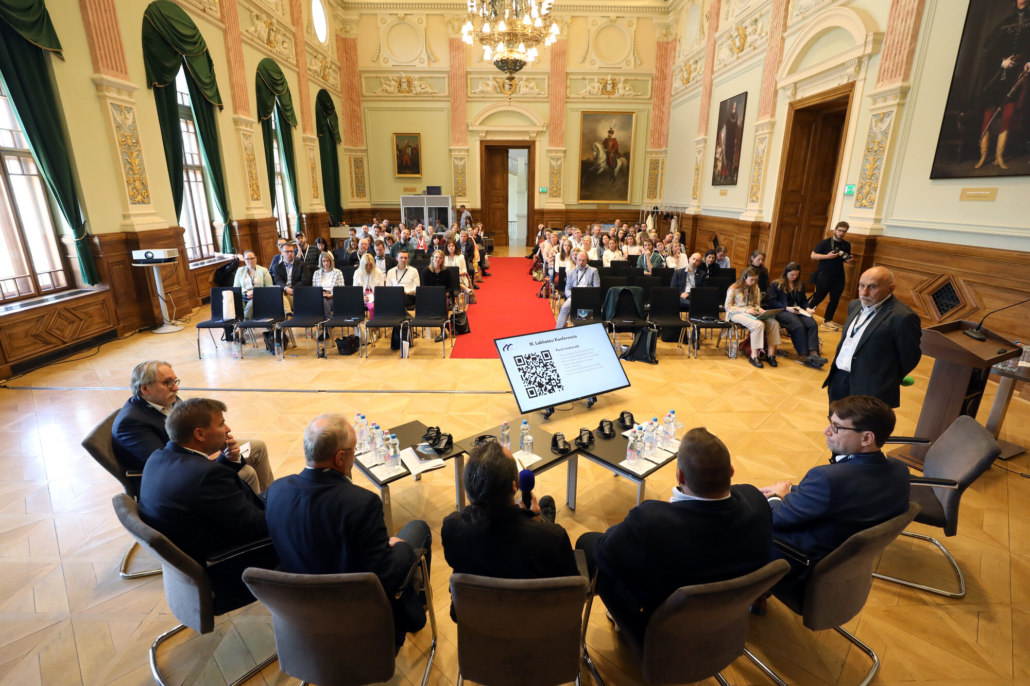
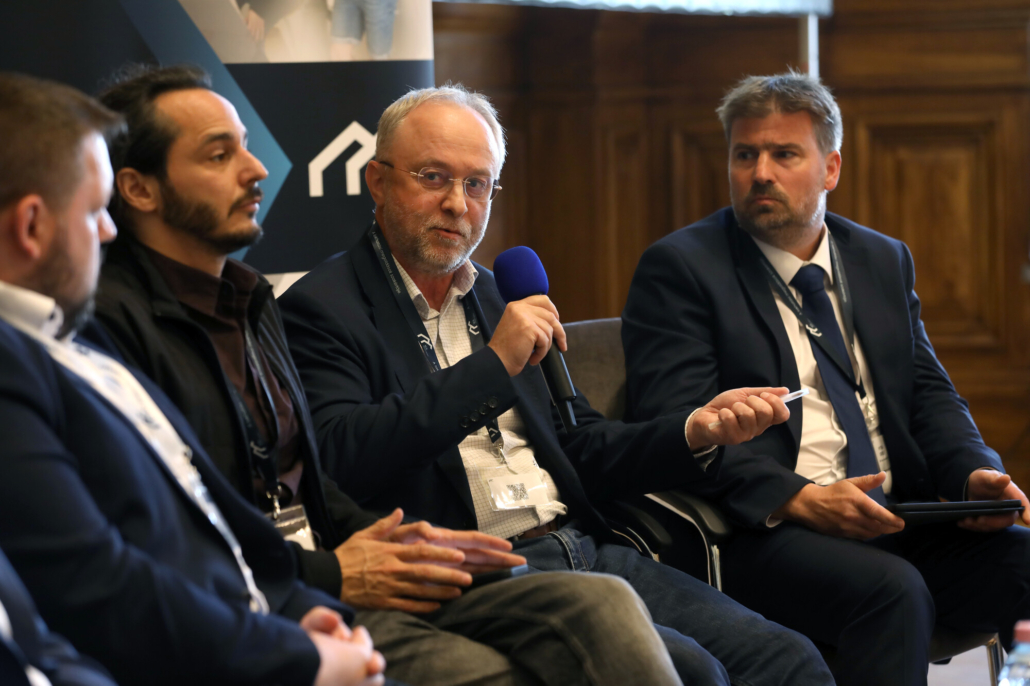
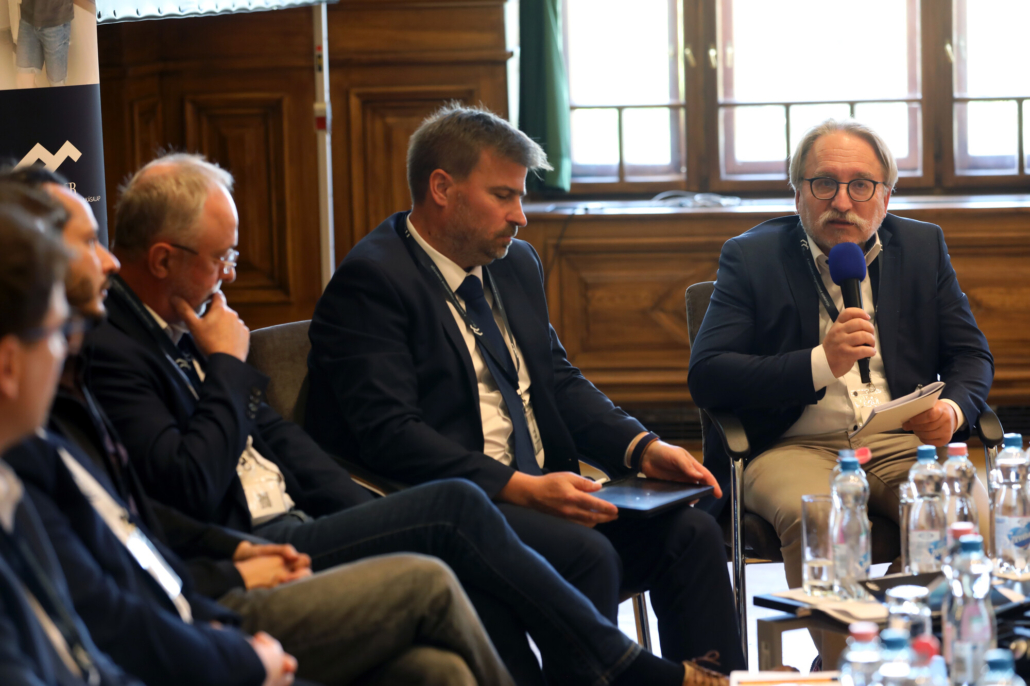
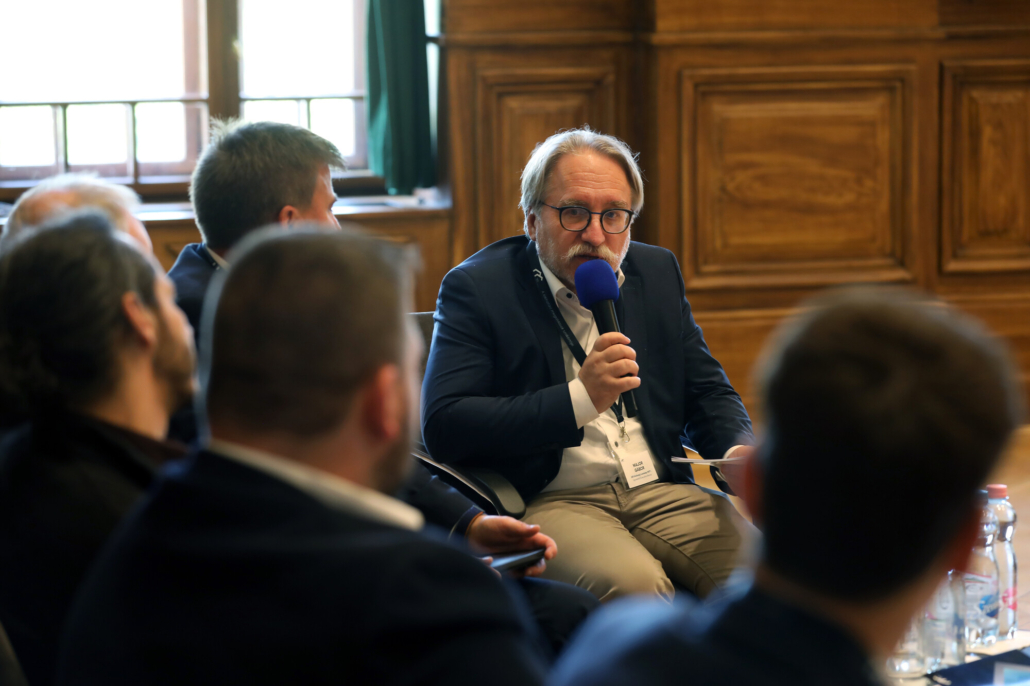
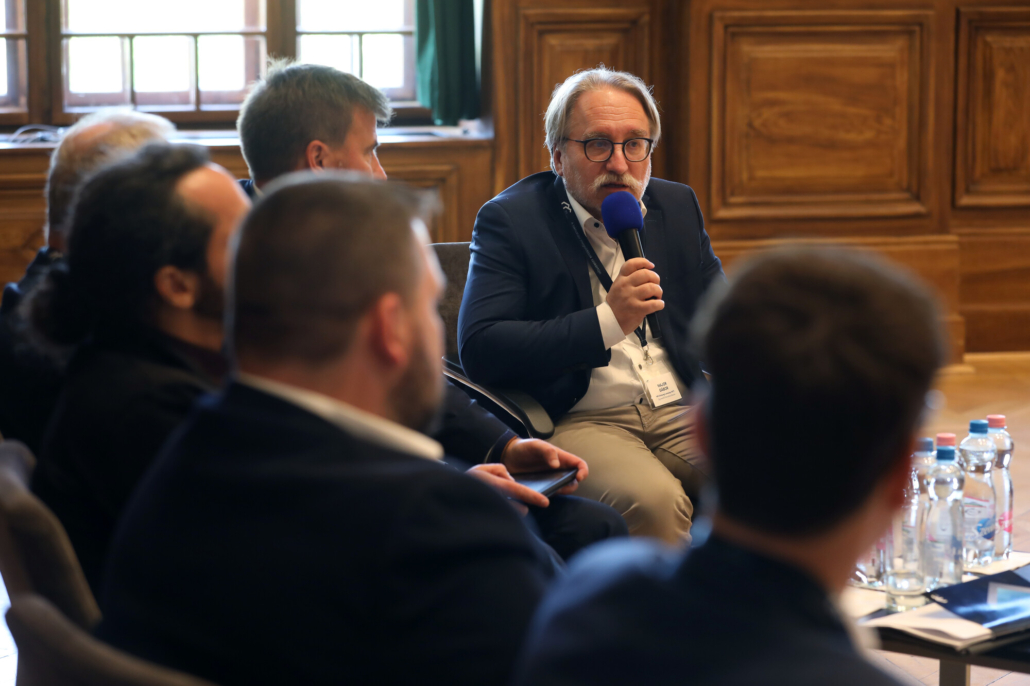
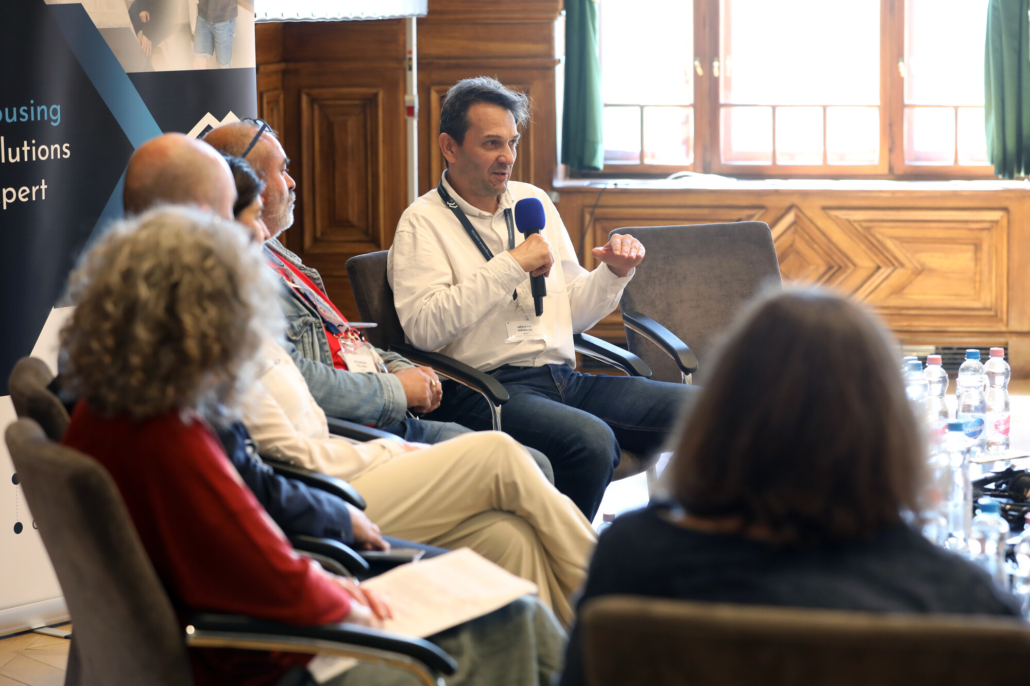
In the panel discussions following the presentations, Forum participants explored how to approach the housing problems of the most vulnerable social groups, such as those on the brink of homelessness or trapped in segregated areas.
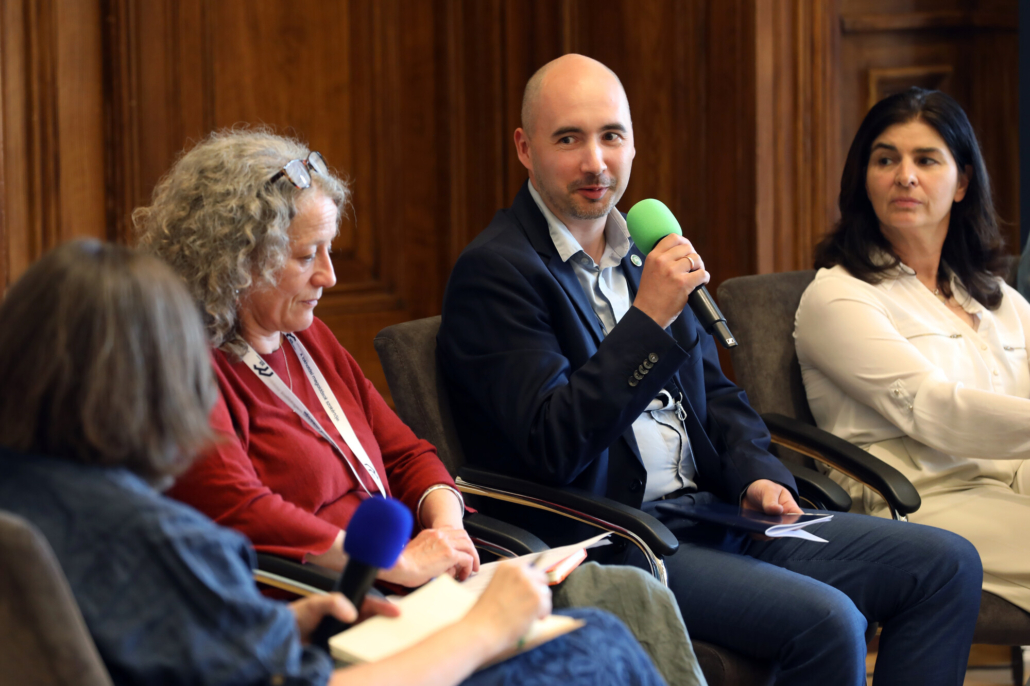
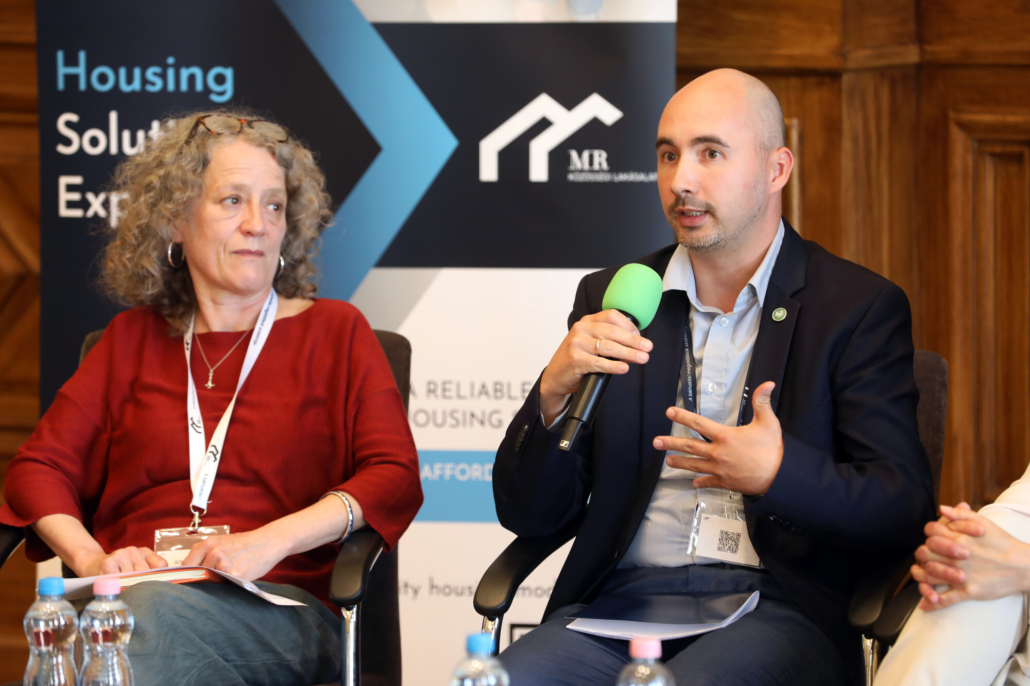
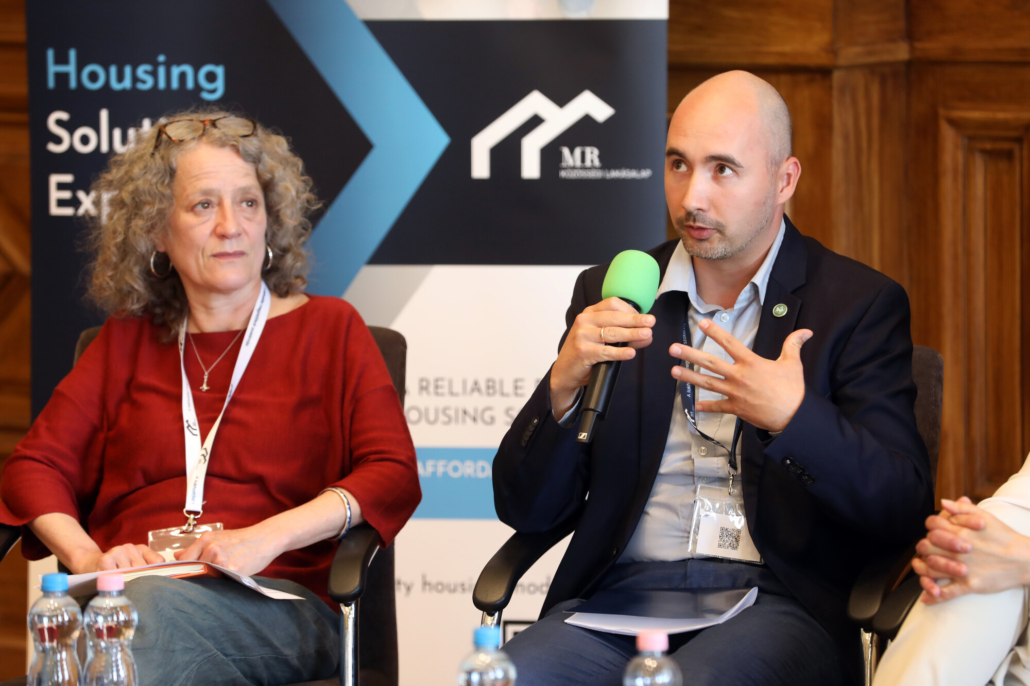
The event featured insights from field practitioners working directly on concrete programs, who brought crucial nuances to the academic and statistical data presented:
„What is registered as a residential house on paper may, in reality, be nothing but a pile of ruins. Sales contracts are sometimes scribbled on grid paper at a kitchen table, leaving absolutely no trace in official registries. Furthermore, there is little use in moving a family into better housing conditions if, due to a lack of employment, they cannot afford to maintain the new property.”
Ultimately, the main objective—and the greatest achievement—of the 3rd Housing Forum was successfully bridging the gap between theory and practice, fostering an environment for mutual knowledge sharing, and establishing a platform for meaningful, long-term professional dialogue.